Video is the primary element in the digital revolution of production of content. What once required complex software, long production cycles, and specialized skills can now be achieved in minutes with the help of an AI video generation model. These systems are not just automating video creation they are altering how static visuals become immersive, moving stories.
Akool is in the forefront of this technological revolution, and its tech shows how far AI-driven creative thinking has advanced.
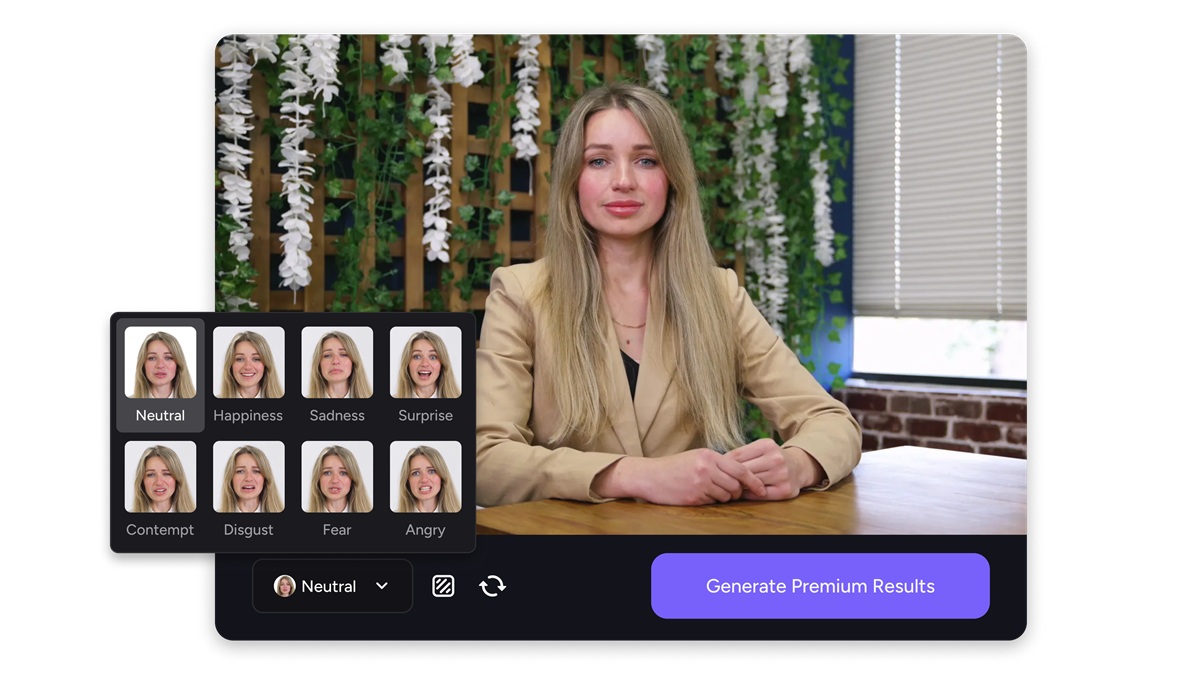
Image credit: akool.com
From static images to life-like visuals
Video production is a traditional process that begins with footage. The advanced AI-powered workflow begins with a much simpler item and that’s an image. The Akool model transforms static images and illustrations into videos that are visually cohesive and appear natural. Instead of utilizing generic animations this model adds depth, texture, and motion while keeping the authenticity of the original photograph.
This is an especially helpful feature for teams with extensive image libraries. Brand images, product photos, or artwork can be used to create engaging videos, without reshooting to save time and money while also increasing creative output.
Precision Motion for Cinematic Results
One of the main characteristics of a truly professional AI video model is the control. There is no one motion that is equally, and random motion can break the immersion. Designers are now able to use advanced techniques to determine the way that elements within the frame move in the speed they move in and their direction. This creates a smoother output.
With fine-grained motion control, creators can mimic camera movements as well as subtle environmental shifts or character motion that feels real and not automated. AI-generated videos can be seamlessly included in marketing strategies or digital storytelling formats and presentations with this level of accuracy.
Faster, without sacrificing the Quality
Modern AI technology is contesting the notion that speed is synonymous with compromise. Modern AI video generation is able to create high-quality videos, while preserving sharpness. The accuracy of color as well as the visual stability. The perfect balance between quality and efficiency is the main reason why AI video production practical for use in the real world.
Iterative development in social media and marketing environments is vital as trends are constantly changing. Brands and creators get a competitive edge by being able to test ideas and alter visuals rapidly, as in publishing material.
Trust is based on the consistency of its members.
Consistency is a constant issue in AI video production, particularly when people or characters are in the. Akool AI models address this problem by maintaining facial identities, expressions, as well as character alignment throughout a video. This consistency creates more convincing videos, and also helps avoid visual drift, which can often break viewer engagement.
For use cases like brand ambassadors, spokesperson visuals or educational content this consistency is critical. Visuals that look stable that are authentic, not artificial are more reliable and appreciated by the public.
For real-world workflows, designed for
AI video tools are most efficient when they are seamlessly integrated into existing creative processes. Images-to-video models that are designed for professional use prioritize simplicity alongside power. Teams are able to easily adopt AI video creation without a lot of training due to the user-friendly interface and quick rendering.
Beyond individual creators these systems foster collaboration and encourage creativity. These ecosystems are governed by communities, allowing users to learn from each fellow users, experiment with new methods and push the boundaries of creativity.
The new standard in visual Storytelling
AI video creation isn’t an exciting new technology nowadays. It’s a crucial tool to create content in the modern age. AI models today have the ability to do more with existing content by mixing speed and realism, and also creative control.
Tools like the Akool model demonstrate how AI is changing and moving towards more efficient, accessible and intelligent video creation. The future of visual story telling is not just about generating motion, but also about helping creators to turn ideas into engaging stories faster and more efficiently than ever before.