The majority of people don’t think too about cooking oils but it’s a staple ingredient they regularly use. It’s simple to grab whichever bottle is close and assume it’ll work for anything. Different oils react differently, based on temperature, flavor or the composition of fats. Knowing these distinctions is the simplest method to improve your cooking at home.
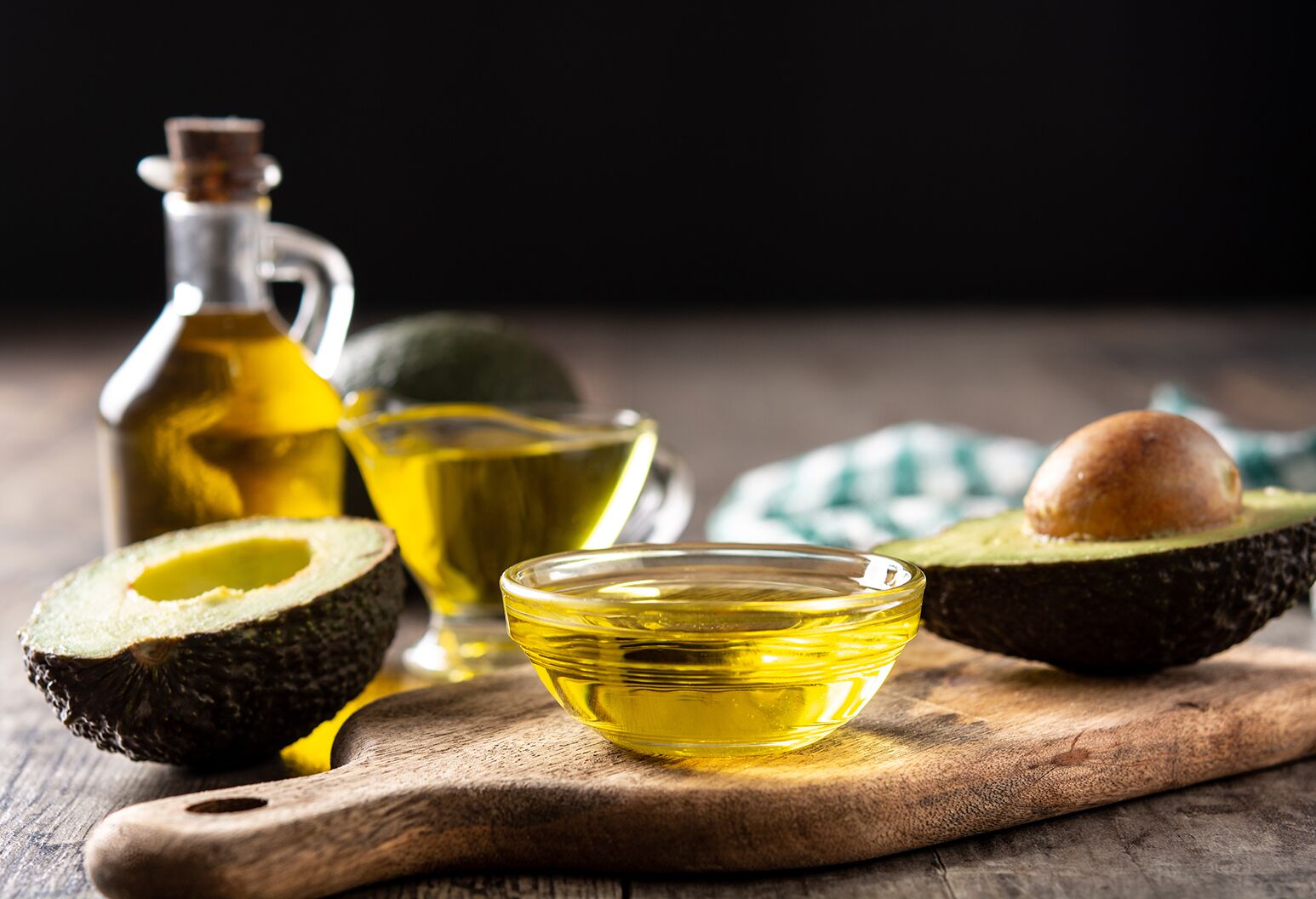
The decision shouldn’t be made based on trends or headlines. The decision should be made in light of the performance of each oil in real cooking scenarios.
The importance of oil choice is more important than you believe
Oil does three important jobs in cooking. It transfers heat from the oven into the food. Second, it adds taste, but not notably or subduedly. It may also impact nutrition, depending upon the type of fat used and its sturdiness at temperatures that are high.
The oil begins to degrade as it heats up. It can also create a bad taste and lower nutritional value. If you make the wrong choice of oil, your food may be bland, bitter, or oily.
Olive Oil for cooking: Best Use With Intention
Olive oil is one of the most widely used and studied cooking oils. Made by pressing olives, it has a significant amount of monounsaturated fats, along with antioxidants such as polyphenols and vitamin E.
Extra virgin oil is peppery, strong and fruity. This makes olive oil used for cooking a salad dressing marinades, roasting vegetables as well as light sauteing and finishing dishes. In these cases, the flavour enhances the food and does not get out of place.
However extra virgin olive oil has a lower smoke point than people think. The refined olive oil is ideal to cook at higher temperatures. It has a milder taste and better heat tolerance, making it better for baking, frying, and roasting at higher temperatures.
When properly used If used appropriately, olive oil provides health and flavour benefits. However, it is optimal when the heat is managed.
Coconut Oil The Coconut Oil is stable, but it is specific.
Coconut oil performs differently than olive oils. It is high in saturated fat that makes it extremely solid under temperatures. Coconut oil is known for its stability.
Refined Coconut Oil has a mild taste, which is ideal for baking or cooking when heat stability is required. Unrefined oil has a strong coconut flavour and aroma. The flavor may be advantageous in specific dishes, such as curries, stir-fries, or desserts, but it could be a problem with meals that are savoury If it is used unconsidered.
From a health standpoint, coconut oil is best employed infrequently, not as an everyday food item. Coconut oil is excellent at temperatures that are high, however it isn’t as antioxidant-rich of avocado or olive oils.
Avocado oil: heat-friendly, and neutral
Avocado oil is becoming popular in large part due to the ease with which it handles heat. Avocado oil for cooking has one of the highest smoke points of commonly used oils, which makes it ideal for searing, roasting, grilling, and frying.
Avocado oil is richer in monounsaturated oils and vitamin E than coconut oil. This means it is healthier. Its mild, neutral taste is an excellent choice if you’re looking to make sure that the oil does not alter the flavor of food.
Avocado oil is a wonderful option for cooking at high temperatures.
Use Oils in a Smart Way
There is no perfect oil to suit every situation. Keep several oils on hand and use them intentionally.
Avocado oil is great for cooking in high-temperatures. Avocado oil is ideal for high-heat cooking. Coconut oil is an option in situations where heat stability and distinct flavor is sought after.
If you are aware of these differences You can cook with greater consistency and less guesswork.
Better Cooking Starts with More Basic Ingredients
It’s not essential to use expensive ingredients or complex cooking methods in order to cook properly. It’s typically about small, logical choices and a consistent approach.
Understanding when to utilize coconut, avocado, or olive oil to cook can improve your taste and texture, as well as overall confidence. When you’ve a good understanding of how oils behave in the kitchen, the other aspects will become much easier.