The disc bulge is a typical reason for back discomfort and pain which affects millions of people around the world. Conditions like superimposed central disc protrusion, disc bulge that is abutting the nerve root, disc bulge and paracentral protrusion may all contribute to significant discomfort and mobility issues. Understanding these conditions and exploring the most effective treatment options is essential for managing pain and improving your quality of life. Dr. Ken Nakamura, a leading chiropractor, provides valuable insights into these conditions and provides advice on how to treat them effectively.
What is a disc Bulge?
The intervertebral disk that serves as a cushion between the vertebrae extends past its boundaries, a disc bulge is the result. It can be caused by wear and tear injuries, or simply over the course of. The severity of disc bulges varies. They could be small protrusions which cause no or minimal discomfort, to more severe bulges which can cause significant discomfort.
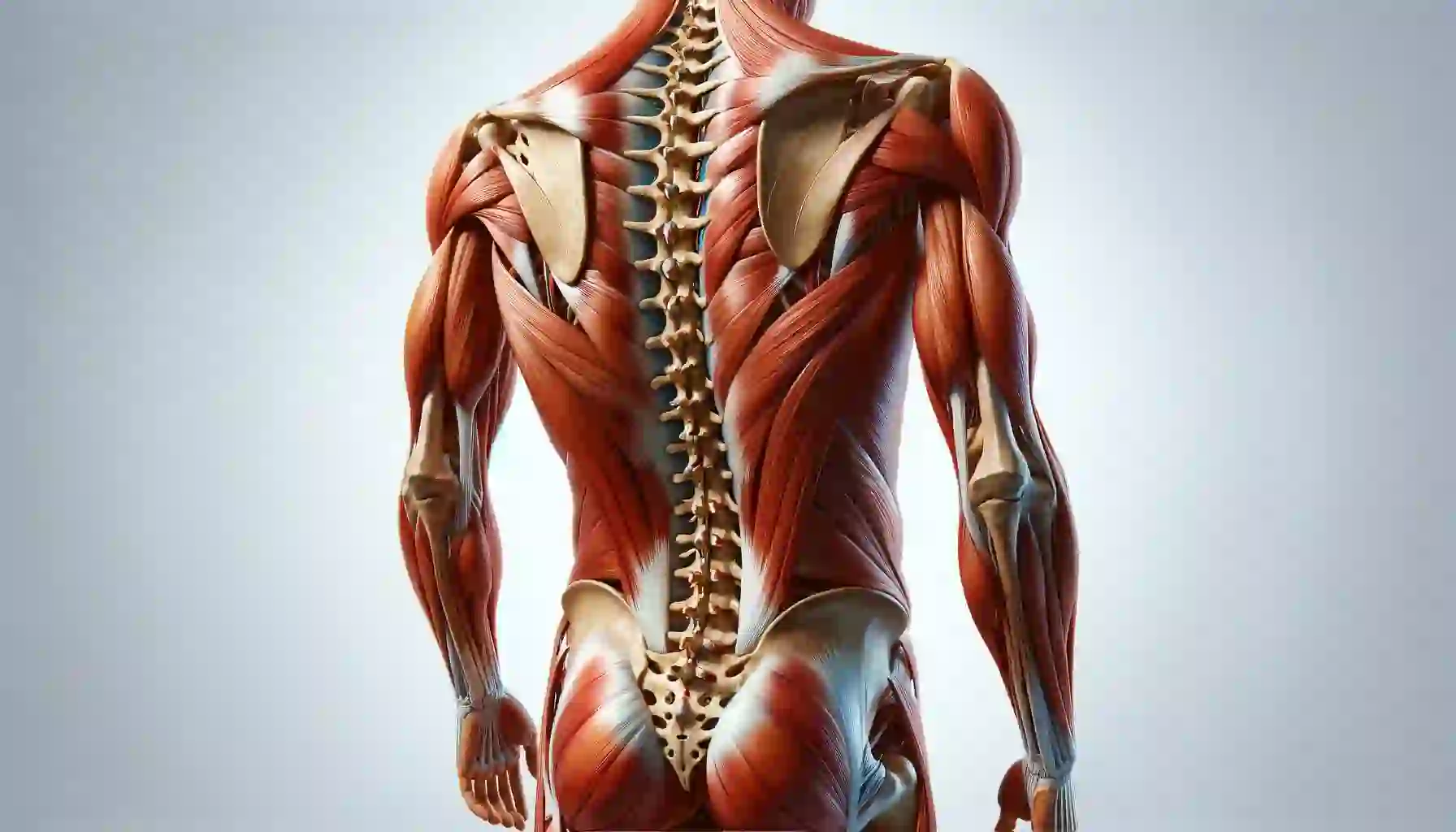
Superimposed Central Protrusion of Disc
Superimposed central disc protrusion is one type of disc bulge that occurs in the central part of the spinal cord. According to Dr. Ken Nakamura, this protrusion may cause pressure on the nerve roots or spinal cord, which can lead to signs such as an achy, numb, or weakness in the affected area. The central position of the protrusion suggests it can affect both sides of the body, making it a difficult condition to manage.
Disc Bulge Abutting Nerve Root Treatment
If a disc that is bulging is located near the root of a spinal nerve, it can cause severe pain, and even neurological symptoms. This can include sciatica, a pain that radiates down the leg. The pressure on the nerve root could lead to inflammation, pain and even the loss of functionality if untreated.
Dr. Nakamura explains how disc bulges located adjacent to nerve roots can be addressed with a combination of conventional as well as, in some cases, interventional methods. Treatment options that are conservative include physical therapy, anti-inflammatory drugs and activity modifications to alleviate pressure on the affected nerve. In extreme cases, surgical intervention or injections of epidural steroids could be necessary to ease the pressure and offer relief.
Eccentric Bulge
An eccentric disc bulge refers to an abnormal bulge off-center and is usually located on the opposite side of the spinal canal. This type of bulge might cause unilateral symptoms. Pain and other symptoms are usually felt on only one side of the spinal column. Circular disc bulges are extremely dangerous because they can enlarge nerve roots and trigger the body to feel weak or painful in a specific area.
Dr. Nakamura stresses that physical therapy is often utilized to increase flexibility and strengthen muscles around the spine. This may help decrease the pressure on the affected disc, and help ease the symptoms. Spinal decompression therapy, an alternative to surgery that could help reduce bulges as well as relieve nerve irritation, is advised in some instances.
Paracentral Protrusion
Paracentral protrusion is a type of disc bulge that occurs near the center but slightly to one side of the spinal canal. This could result in nerve root compression like other kinds of disc bulges. This could cause symptoms like the sensation of numbness, pain, or weakness in the extremities.
Dr. Nakamura suggests that paracentral protrusions can be treated using an array of conservative treatments. This includes physical therapy and pain management strategies as well as lifestyle changes. In more severe cases the need for surgery is required to eliminate the disc material protruding and to relieve pressure on the nerve affected.
Treating Disc Bulge-Related Symptoms
The treatment of disc bulge-related pain is dependent on the severity of the problem and the particular symptoms that sufferers experience. It is possible to use conservative treatment for mild to moderate cases in reducing pain and improving performance. This includes:
Physical Therapy: Workouts that enhance flexibility and strength in the muscles supporting the spine.
Pain Management Utilizing anti-inflammatory drugs and muscle relaxants in order to decrease inflammation and pain.
Lifestyle Modifications – Adjustments to everyday activities that do not make the condition worse. Examples include a proper posture as well as ergonomic adjustments. Also, avoid the weight of lifting, etc.
Interventional Therapies: In situations where conservative treatments are insufficient alternative treatments such as epidural steroid injections, or less invasive surgical procedures might be contemplated.
You can also read our conclusion.
Effective pain management requires that you know the nuances of various conditions, including central disk protrusion that is superimposed and bulge disc that abuts the nerve root, a concentric bulge disc, and paracentral bulge. Dr. Ken Nakamura emphasizes that it is crucial to identify the symptoms, seek proper treatment, and boost overall quality-of-life. Whether through conservative measures or, in certain cases, surgical intervention, managing disc bulges efficiently is essential to living pain-free.