The infrastructure for water and wastewater is far more complex than the simple gravity-based system. As communities grow and the available land becomes more complex to construct, engineered pumps play a critical role in maintaining water flow efficiently and safely. A properly designed pump station supports everything from water collection and stormwater control to potable water distribution and industrial operations.
Every pumping system is unique depending on the elevation, to the flow requirements, water quality, and even the requirements for ownership. These factors should be addressed early in the design stage to minimize operational issues over the long haul and ensure that the system will continue to function in the way it was designed for a long time.
The reason why a pumping system for packages must be a project-specific system
Package pumping systems are developed to be a comprehensive solution, not just one of the components available off the shelf. Conditions at the site, environmental regulations and the operational objectives affect how a system should be designed. Each of these facilities needs different designs for structural structures, methods of control, and pump configurations.
By evaluating flow rates, duty points and lifecycle costs early engineers can create preliminary layouts and budgetary estimates that guide smarter decisions. This strategy minimizes redesigns, prevents costly surprises during construction, and sets expectations among stakeholders from the very beginning.
Wastewater Lift Stations in Modern Development
As urban areas continue to grow, the sewer infrastructure has to adapt to the changing terrain and growing areas of service. These systems are indispensable in regions where gravity flow is unable to keep up with demand.
The design of the wastewater lift station has to be based on the flow rate, capacity for handling of solids, corrosion resistance and regulatory compliance. Municipal systems are often built with long-term reliability and maintenance ease in mind, while industrial and private systems may be more concerned with capacities and aptitude. Custom-designed engineering permits pumps, controls and structures to be chosen based on the operating environment.
Stormwater Lift Stations & Environmental Protection
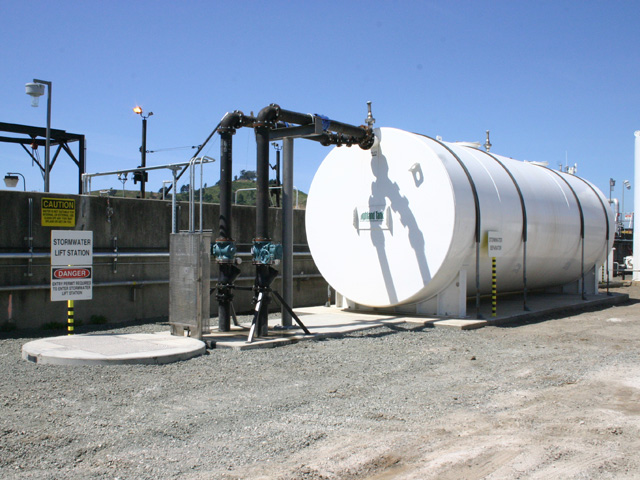
The need to manage stormwater is rising as development density increases and weather patterns shift. A well-designed stormwater lift station helps control runoff, manage detention ponds, and reduce flooding risks. These systems are also environmentally green, since they take stormwater to a treatment facility prior to releasing it back into natural waters.
Stormwater pumping systems must function consistently across a variety of flow conditions, from light rainfall to severe storms. Engineers should consider peak flows seasonal fluctuations, as well as long-term sustainability when designing these stations. Flexible pump technology and materials allow the systems to change over time to the changing demands.
Industrial and Clean Water Pumping Applications
Pump stations aren’t just designed for municipal use. Industrial facilities rely on pumping systems that handle high temperature fluids, high pressure applications, chemicals, and oily water. hazardous waste streams. To design for these environments requires specialized expertise and the right materials.
Water distribution systems for residential, commercial and municipal uses, as well as booster stations are supported by water systems that are clean. To ensure user satisfaction and reliability, it is vital to maintain constant pressure and flow. Pump stations that are intended for irrigation, reclaimed water, groundwater extraction, and other large water features must balance efficiency with endurance.
Integrated Design from One Source
managing multiple suppliers of structural, mechanical and electrical parts, along with control components is a challenge and potentially dangerous. The use of a single-source model for design and supply makes the process easier and enhances the compatibility of the system. Design teams can swiftly develop practical solutions based on the experience from a variety of situations for pumping.
Romtec Utilities employs this integrated approach to stormwater, wastewater management industrial and clean water applications. The projects that benefit from RomtecUtilities managing the entire pumping system including structural housing, controls and engineering are simplified and of uniform high-quality.
The success of today’s infrastructure depends on the pumping system that is more adaptable to real-world conditions than assumptions. The design of each pump station is built around a combination of early evaluation and integrated execution to ensure it delivers solid performance and is able to meet the demands of its owner and operator over time.